
Plastic Pyrolysis
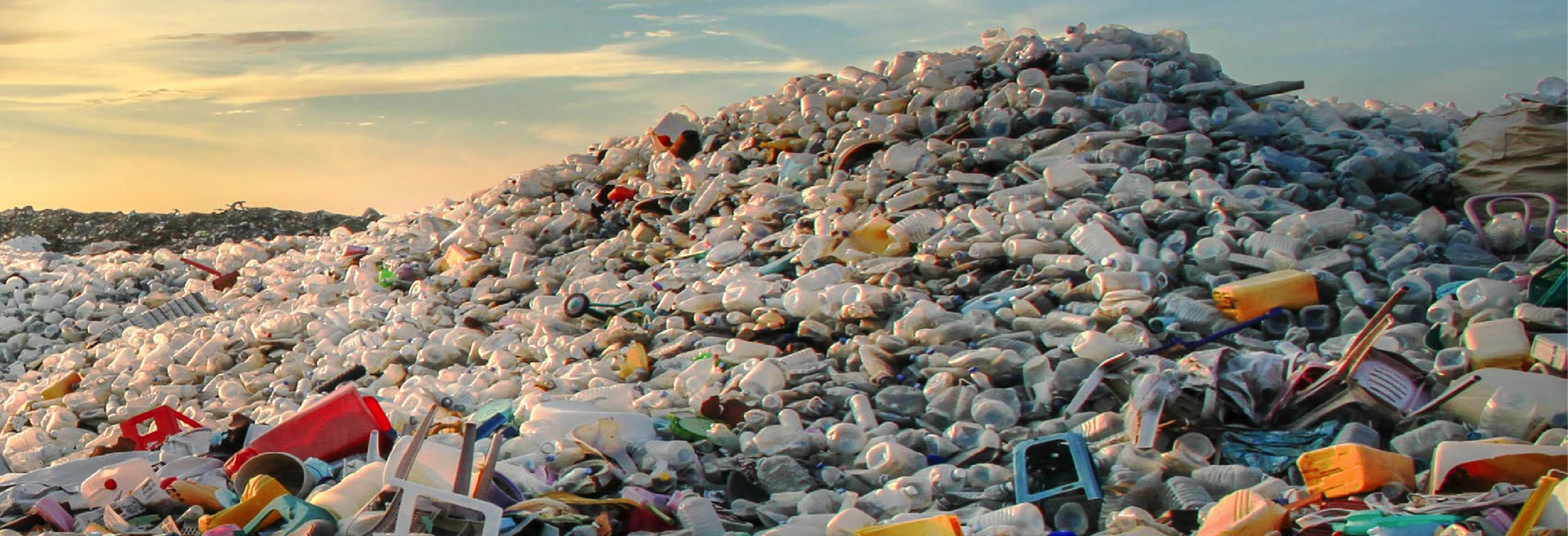
Plastic pyrolysis is a specialized process that converts various types of plastic waste into valuable resources, such as pyrolysis oil, syngas, and carbon black. As a sustainable alternative to traditional recycling methods, plastic pyrolysis provides an effective solution for managing plastic waste that would otherwise end up in landfills or incinerators. By breaking down long-chain polymers into simpler molecules through thermal decomposition in an oxygen-free environment, plastic pyrolysis offers a way to recover useful materials and reduce environmental pollution.
Suitable Feedstocks for Plastic Pyrolysis
A wide range of plastic feedstocks can be used in the pyrolysis process, making it a versatile recycling option. Suitable feedstocks for plastic pyrolysis include:
- Polyethylene (PE): This is one of the most common plastics used in packaging materials, such as plastic bags, bottles, and films. Both high-density polyethylene (HDPE) and low-density polyethylene (LDPE) can be effectively processed in pyrolysis.
- Polypropylene (PP): Found in products such as bottle caps, food containers, and automotive parts, polypropylene is another ideal feedstock for pyrolysis due to its high hydrogen content and thermal stability.
- Polystyrene (PS): Often used in disposable cutlery, foam cups, and packaging materials, polystyrene can also be processed through pyrolysis to produce valuable outputs.
- Mixed Plastics: One of the key advantages of plastic pyrolysis is its ability to handle mixed plastic waste, which often poses a challenge for conventional recycling methods. The process can tolerate a variety of plastics blended together, providing flexibility in feedstock selection.
Unsuitable Feedstocks for Plastic Pyrolysis
While pyrolysis can process a wide range of plastic materials, certain types of plastics are unsuitable due to their chemical composition. The most notable example is Polyvinyl Chloride (PVC).
- Polyvinyl Chloride (PVC): PVC contains a significant amount of chlorine, which poses a serious problem in the pyrolysis process. When PVC is subjected to high temperatures in an oxygen-free environment, the chlorine is released as hydrogen chloride gas, which is highly corrosive and can damage equipment. Additionally, the release of chlorine-containing compounds poses environmental and health risks, requiring expensive gas scrubbing systems to neutralize and manage these emissions. For these reasons, PVC is excluded from the feedstock in plastic pyrolysis processes.
Potential Uses of Pyrolysis Oil from Plastics
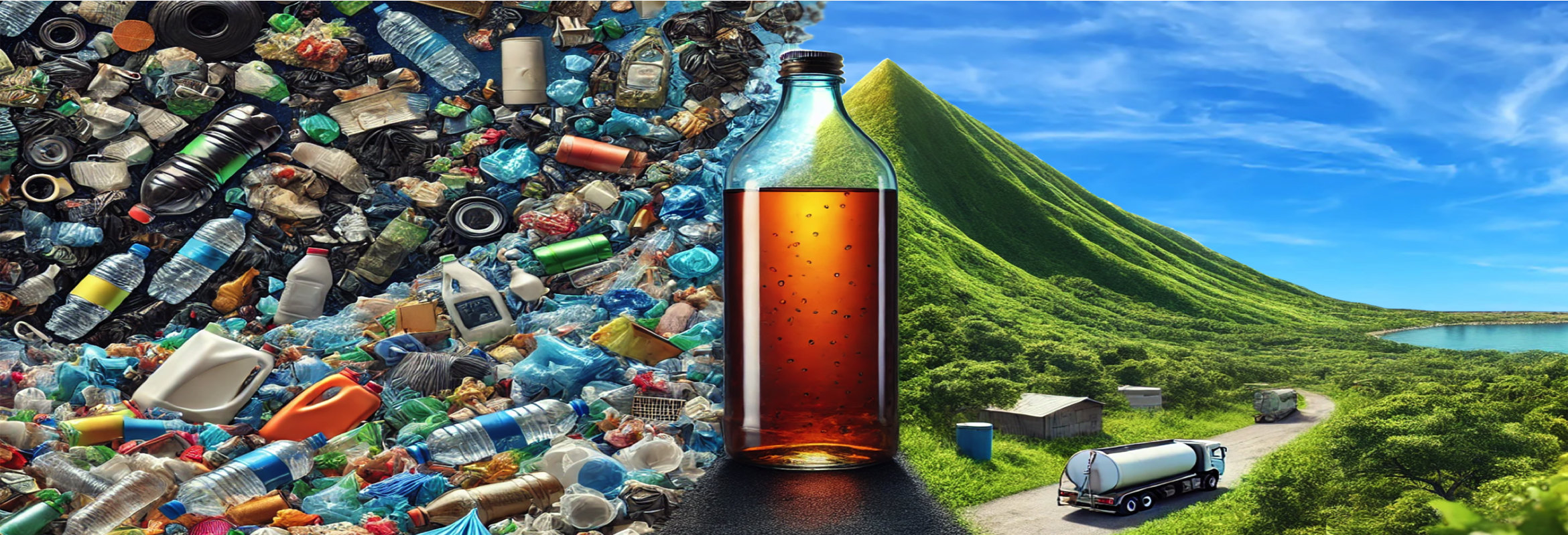
Pyrolysis oil, one of the primary products of plastic pyrolysis, has a wide range of potential uses, making it a valuable commodity in the market. Pyrolysis oil can be refined further to produce different types of fuels, such as diesel, gasoline, and kerosene, which can be used in engines and generators. This makes it a viable alternative to conventional fossil fuels, helping reduce reliance on crude oil and lower greenhouse gas emissions. Additionally, pyrolysis oil can be used as a feedstock in the chemical industry to produce various chemicals and materials, including solvents, waxes, and synthetic rubber. The versatility of pyrolysis oil in multiple applications demonstrates its importance in advancing sustainable practices and supporting the circular economy by turning waste into valuable resources.
The Benefits of Plastic Pyrolysis
Plastic pyrolysis provides a number of environmental and economic benefits. By converting plastic waste into pyrolysis oil, the process offers a valuable alternative to virgin crude oil for use in energy production and chemical manufacturing. It also helps divert plastic waste from landfills and reduces the environmental impact associated with plastic pollution. Furthermore, plastic pyrolysis can contribute to a circular economy by enabling the continuous recycling of plastic materials, turning waste into a valuable resource and reducing the need for new plastic production.
Overall, plastic pyrolysis represents a promising approach to tackling the growing problem of plastic waste, offering a sustainable solution that aligns with global efforts to promote waste reduction, resource recovery, and environmental protection.