
Pyrolysis to Diesel
Pyrolysis to diesel is an advanced recycling process that converts waste materials, such as plastics and tires, into diesel fuel through a combination of pyrolysis and catalytic conversion. This innovative process not only helps manage the growing problem of waste disposal but also provides a sustainable alternative to conventional fossil fuels. By directly producing diesel from waste feedstocks, pyrolysis to diesel offers a promising solution for reducing environmental pollution, conserving natural resources, and supporting a circular economy.
Feedstocks for Pyrolysis to Diesel
Pyrolysis to diesel can utilize a variety of waste feedstocks, including both plastic waste and end-of-life tires. These feedstocks are ideal for the process due to their high hydrocarbon content, which can be efficiently converted into liquid fuels. The most suitable feedstocks include:
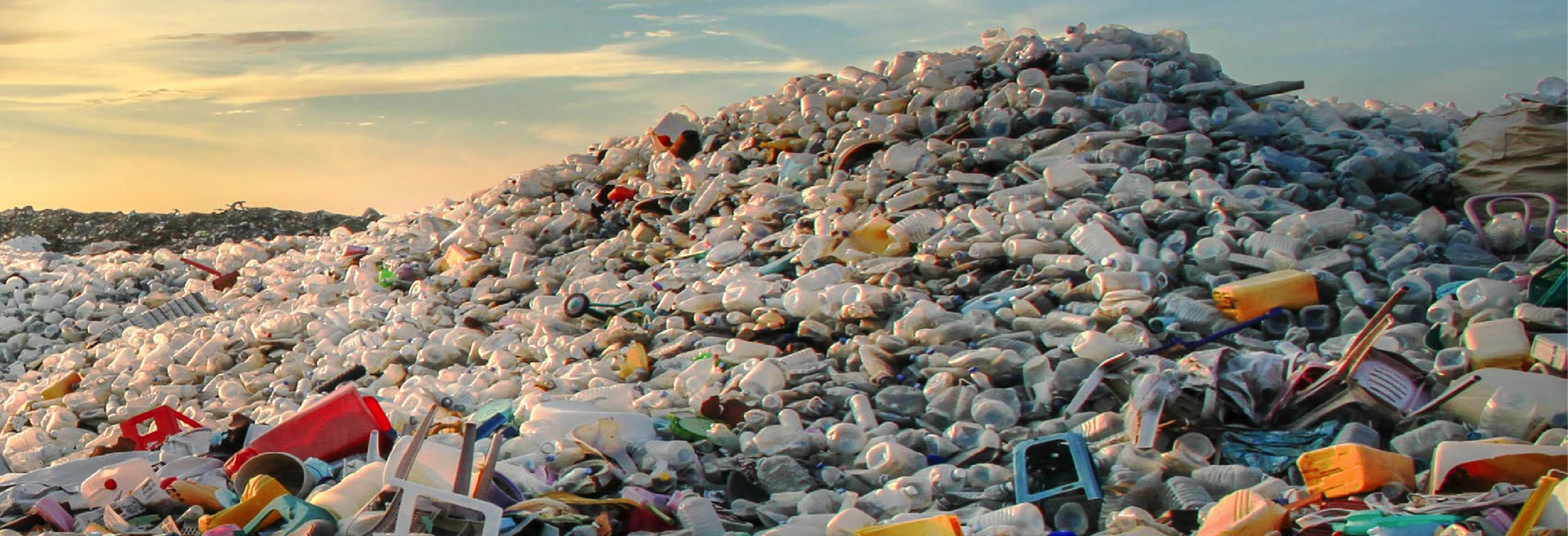
- Plastic Waste: Various types of plastic waste can be used as feedstocks for the pyrolysis to diesel process, including polyethylene (PE), polypropylene (PP), and polystyrene (PS). These plastics are commonly found in packaging materials, bottles, containers, and disposable products, making them readily available for recycling.
- End-of-Life Tires (ELTs): Tires from cars, trucks, buses, and off-the-road vehicles are also excellent feedstocks for pyrolysis to diesel. Tires are composed of natural and synthetic rubber, carbon black, and steel wire, with a high energy content that can be effectively converted into diesel fuel through the pyrolysis process.
The Pyrolysis to Diesel Process
The pyrolysis to diesel process involves two main stages: pyrolysis and catalytic upgrading, performed sequentially in a streamlined operation.
- Pyrolysis Stage: he selected feedstocks, such as shredded plastic waste or ground tires, are fed into a pyrolysis reactor. Inside the reactor, the feedstocks are heated to high temperatures, typically between 300 to 700 degrees Celsius, in the absence of oxygen. This thermal decomposition breaks down the long-chain hydrocarbons in the feedstocks into shorter hydrocarbons, resulting in the production of pyrolysis vapors, syngas, and a solid residue containing carbon black and steel wire.
- Catalytic Conversion Stage: Before the pyrolysis vapors are condensed into liquid form, they pass directly through a catalytic column. In this column, the hot vapors come into contact with a specialized catalyst that promotes the breakdown of larger hydrocarbon molecules and facilitates the removal of impurities such as sulfur, nitrogen, and oxygen. This catalytic conversion refines the pyrolysis vapors into lighter hydrocarbons, effectively converting them into diesel-range molecules. The diesel vapors are then condensed into liquid diesel fuel through cooling, resulting in a high-quality diesel product ready for use.
Benefits of Pyrolysis to Diesel
he pyrolysis to diesel process offers several environmental and economic benefits, making it an attractive option for waste management and fuel production:
- Waste Reduction: By converting plastic waste and end-of-life tires into diesel, the process helps reduce the volume of waste sent to landfills or incinerators, mitigating the environmental impact of waste disposal and pollution.
- Resource Conservation: Pyrolysis to diesel conserves natural resources by providing an alternative to conventional crude oil extraction. The process enables the recovery of valuable hydrocarbons from waste materials, reducing the need for virgin fossil fuels.
- Energy Efficiency: The pyrolysis to diesel process is energy-efficient, as the syngas produced during pyrolysis can be used to fuel the reactor itself or for other energy needs within the facility, minimizing external energy requirements.
- High-Quality Diesel Production: The diesel produced through this process is of high quality and can be used directly in diesel engines and generators, providing a sustainable and cleaner alternative to traditional diesel fuel. The catalytic conversion stage ensures that the diesel meets industry specifications, making it a viable option for various applications, including transportation, agriculture, and power generation.
Advancing Sustainable Practices with Pyrolysis to Diesel
Pyrolysis to diesel represents a significant advancement in sustainable waste management and energy production. By transforming plastic waste and used tires into valuable diesel fuel, this process not only addresses the environmental challenges of waste disposal but also contributes to reducing greenhouse gas emissions and reliance on fossil fuels. As global efforts intensify to promote a circular economy and reduce environmental impact, pyrolysis to diesel offers a practical and effective solution for managing waste and advancing sustainable practices.